
Implementing the Power of Data: Revolutioninzing Biochemistry with the Magic of Data Science (Part II)
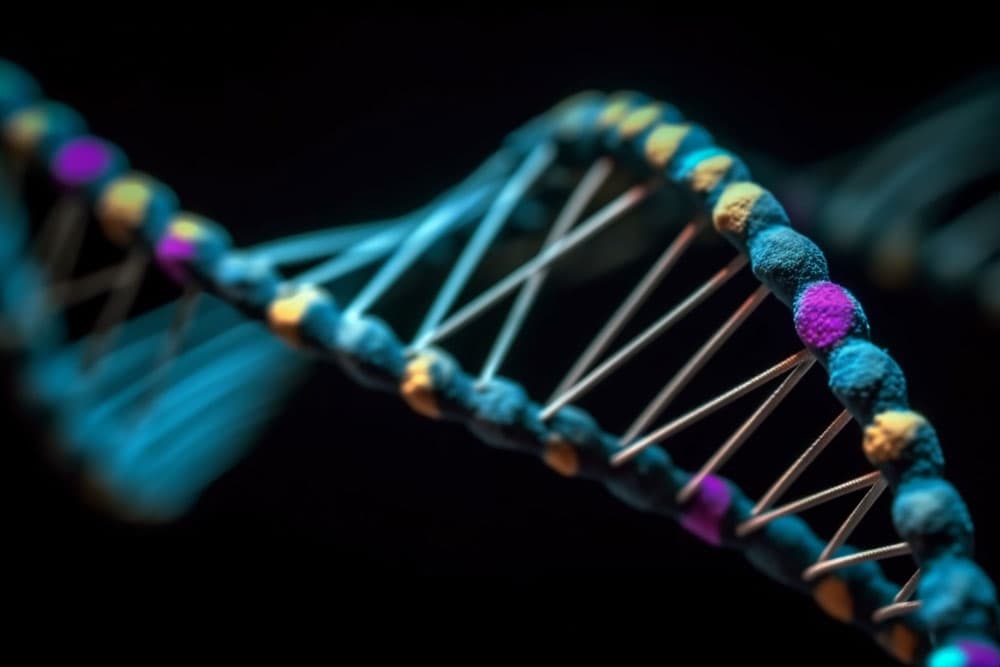
In Part I of the article, we dicussed the utilization of Data Science in enhancing and accelerating areas of Biochemistry, like Protein modelling and Drug Discovery. In Part II, we will continue this forward by considering the emergence of Big Data in this field, as well as Bioinformatics. We will also confer about the ethical considerations that come with the great power of harnessing data.
Big Data and Bioinformatics:
In the realm of life sciences, the advent of big data has ushered in a new era of possibilities and challenges. Techniques like genomics, proteomics, and other high-throughput technologies have enabled the generation of complex datasets, presenting biochemists and researchers with information about the intricacies of life at the molecular level. This proliferation of data sources in life sciences has made bioinformatics an indispensable discipline. Bioinformaticians leverage computational methods and algorithms to process, organize, and analyze these datasets. They develop software tools that enable researchers to extract meaningful information from big data. Bioinformatics plays a crucial role in tasks such as sequence alignment, structural biology, pathway analysis, and functional annotation, among others. One of the key strengths of bioinformatics is its ability to uncover patterns and correlations in biological data. By applying data science techniques to big data, bioinformaticians can identify hidden relationships, biomarkers, and predictive models that aid in the understanding of complex biological processes. This has wide-ranging implications, from the discovery of potential drug targets to the identification of genetic factors contributing to various diseases.
Genomics, in particular, has been a major driver of big data in the life sciences. The human genome, comprising over 3 billion base pairs, represents a vast collection of genetic information. High-throughput sequencing technologies has made it possible to sequence not only the human genome but also the genomes of countless other species, resulting in a flood of data that helps us understand the genetic basis of diseases, evolutionary relationships, and the functional elements of the genome. Proteomics, another big data generator, focuses on the study of proteins and their functions. High-throughput mass spectrometry and NMR techniques have revolutionized the identification and quantification of thousands of proteins and their interaction. However, the sheer size and complexity of both proteomic and genomic data, especially under different conditions and for different species, presents significant challenges in data management and analysis, even today. Managing and storing these massive datasets generated by high-throughput technologies require substantial computational infrastructure. Additionally, ensuring data quality, addressing issues related to data privacy and security, and developing standardized data formats and ontologies are ongoing concerns. The greatly increasing interest and competence in data management software and applications, as well as the emergence of super computers and quantum computers is allowing us the meet the requirements of dealing with this enormous amount of data. Metabolomics, transcriptomics, and other omics fields contribute further to the big data landscape by providing insights into the metabolic, gene expression, and regulatory networks within organisms. These datasets are invaluable for understanding the functional elements of biological systems, identifying biomarkers, and unraveling the mechanisms of various diseases.
Moreover, the integration of multi-omics data, which combines information from genomics, proteomics, and other omics disciplines, offers a comprehensive view of biological systems. This holistic approach provides a more complete understanding of how genes, proteins, and metabolites interact to maintain health or contribute to disease. By leveraging big data and bioinformatics, researchers can uncover the intricate web of connections within living organisms and better comprehend the molecular underpinnings of various health conditions.
Ethical and Regulatory Considerations:
As data science continues to redefine the landscape of biochemistry and pharmaceutical research, ethical and regulatory considerations have become increasingly prominent. The powerful capabilities of data science, particularly in handling sensitive health information and making predictions about individuals' health and diseases, raise important questions about data privacy, informed consent, and the responsible use of data.
Thanks to advancements in data science, data has become more valuable than ever before, also attracting the interest of bad actors and unfair treatment. Therefore, data privacy is a central concern when it comes to the use of personal health data in research. The massive datasets generated in genomics, proteomics, and other life sciences fields often contain sensitive information about individuals. Protecting this data from unauthorized access and breaches is crucial. Researchers and organizations must implement robust security measures to safeguard the confidentiality of the data they handle. Informed consent is another pivotal issue in the era of data science. Individuals are now more and more disconnected from their data, not even knowing where it may end up one day. In many cases, individuals contribute their genetic and health data to research projects without a full understanding of how their information will be used. Ethical considerations demand that researchers and institutions clearly communicate the purpose of data collection, potential risks, and benefits to participants. Ensuring that participants provide informed and voluntary consent is essential to respecting their autonomy and protecting their rights. In addition to ethical data collection, responsible data usage is also a critical ethical consideration. Researchers must be vigilant in avoiding misuse AND misinterpretation of data, ensuring that their findings are accurate and scientifically sound. Misleading interpretations of data can have far-reaching consequences, from misdiagnoses to misguided drug development efforts.
Regulatory frameworks play an essential role in ensuring the ethical and responsible use of data in the life sciences. Laws and guidelines help establish a framework for data collection, storage, and analysis. For example, the Health Insurance Portability and Accountability Act (HIPAA) in the US, Digital Information Security in Healthcare Act (DISHA) in India, and the General Data Protection Regulation (GDPR) in the EU sets standards for protecting health information [1]. Ethical review boards, institutional review boards, and data protection authorities help enforce these regulations and provide oversight for research projects involving human subjects.
The challenge is to strike a balance between harnessing the full potential of data science for advancing life sciences and pharmaceutical research while respecting individual rights and privacy. This balance is vital to maintain public trust in the research community and to ensure that the benefits of data science are distributed equitably among all members of society.
References:
[1] Variath, A. A., Dighe, D., & Variath, A. (2020). Commercialization and Digital Governance of Digital Health Data vis-à-vis the Right to Privacy. Data Privacy and Law (Centre of Excellence in Cyber Law and Data Protection, ICFAI Law School).